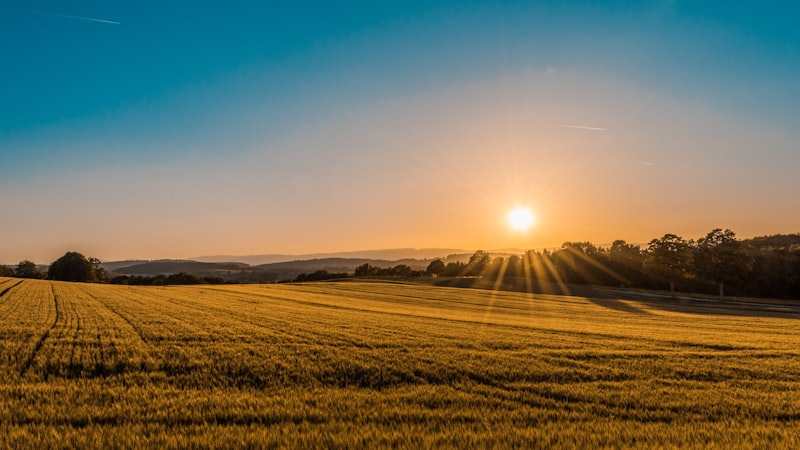
Every photographer has a golden hour horror story. Mine involves driving four hours to shoot a coastline at sunset, arriving at the location with thirty seconds to spare, and watching the entire sky fill with thick cloud cover that turned my carefully planned golden hour into a grey non-event. I drove four hours back in the dark, frustrated and empty-handed, with a memory card full of mediocre images that I'd already decided to delete.
That drive home taught me something I needed to learn: golden hour isn't a guarantee. It's a possibility. The photographers who consistently nail golden hour shots aren't luckier than the rest of us—they're better at managing the variables they can control, and better at accepting the ones they can't.
Understanding What Golden Hour Actually Is
Golden hour occurs when the sun is low on the horizon, within roughly six degrees of the horizon line. At that angle, sunlight travels through more atmosphere before reaching your sensor, which scatters the shorter blue wavelengths and allows the longer red and orange wavelengths to dominate. This is why everything gets that warm, glowing quality—but it's also why the duration of true golden hour conditions varies significantly depending on your latitude, the season, and local atmospheric conditions.
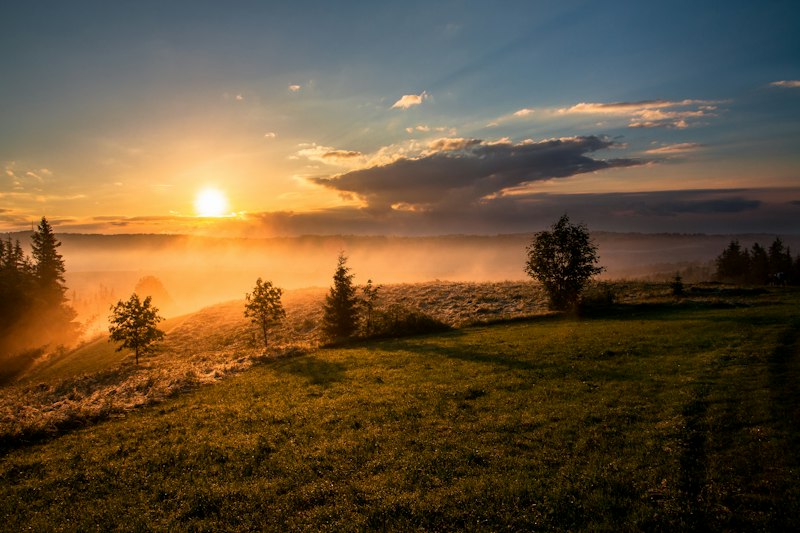
In tropical locations near the equator, the sun rises and sets almost vertically, which means true golden hour conditions might last only fifteen or twenty minutes. At high latitudes during summer, the sun moves more gradually along the horizon, extending the period of beautiful light. This is one reason photographers talk about "shooting into the golden hour" rather than waiting for a specific time—understanding your location's specific sun angle dynamics changes how you plan.
Scouting Locations Without the Camera
The single most valuable investment I make in any golden hour shoot is time spent at the location before the actual shoot. I visit my planned locations in the middle of the day, when the light is harsh and unflattering and completely useless for photographs. I'm not there to make pictures—I'm there to understand the space.
What I'm looking for: where will the sun actually set from this vantage point? Where are the compositional elements—trees, structures, interesting terrain—that I want to include? Where will shadows fall, and will those shadows create patterns that are interesting or messy? What is the relationship between my subject and the sky, and is the sky likely to have interesting cloud formations at the time I'll be shooting?
The Blue Hour Bonus
Most photographers plan for golden hour, but the period immediately before sunrise and after sunset—what's called blue hour—offers equally compelling conditions with different characteristics. The sky during blue hour takes on a deep blue color that creates beautiful contrast with artificial lights, lit windows, and other warm light sources in the scene.
Blue hour is significantly shorter than golden hour, sometimes only ten or fifteen minutes, and it requires higher ISO settings or longer shutter speeds because the ambient light level drops quickly. But the results reward the effort: images with that particular quality of twilight where the sky and the earth exist in the same frame with balanced exposure, where the colors are saturated and moody without the high-contrast harshness of direct sunlight.
Working Fast in Fading Light
Golden hour doesn't last, and the best light often comes in the final minutes before the sun drops below the horizon. This means you need to be ready to work quickly when conditions align. My preparation routine for any golden hour shoot: arrive at least an hour early, set up all equipment before the light gets interesting, take test frames to establish exposure, and then wait without constantly checking the camera.
When the light starts getting good, I don't review images on the LCD—I trust my exposure settings and watch the scene. The moments that make the best golden hour photographs often come and go in seconds, and the photographer who is reviewing their last shot instead of watching the present moment will miss the next one.
Cloud Cover: The Variable That Changes Everything
The most common question I get about golden hour is: what do you do when there's cloud cover? The answer isn't simple because cloud cover during golden hour ranges from "disaster" to "best conditions you'll ever shoot in."
Thick, uniform cloud cover during golden hour acts as a giant diffuser, eliminating the directional quality of the light and creating flat, even illumination that can be beautiful for some subjects but lacks the dramatic shadows that define classic golden hour images. But scattered clouds as the sun sets behind them create one of the most spectacular phenomena in nature: the sun's light catching cloud formations from below, turning the entire sky into a shifting canvas of orange, pink, and purple that no filter can replicate.
The key is monitoring conditions throughout the day and being willing to adjust your plans based on what the sky is actually doing, rather than what the weather forecast predicted. Weather apps tell you the probability of cloud cover—they don't tell you the shape of the clouds or how they'll interact with the setting sun. That information only comes from watching the sky.