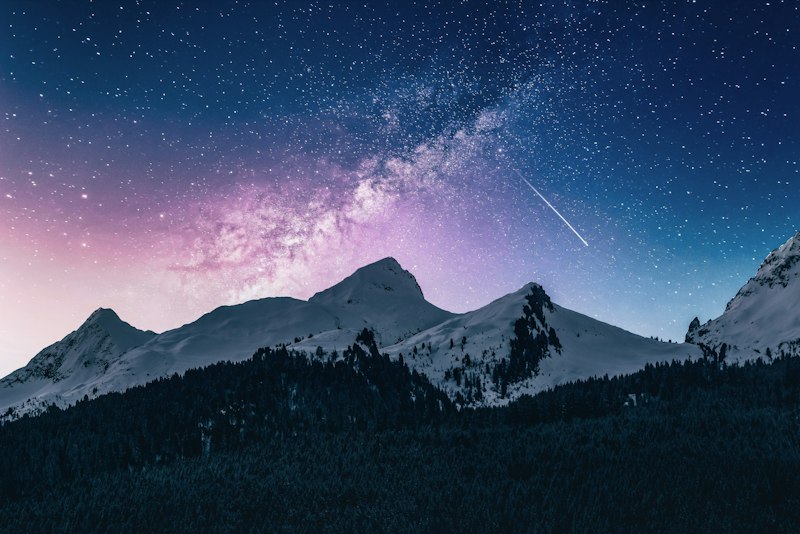
The first time I successfully photographed the Milky Way, I was alone on a beach in Costa Rica at 3am, dealing with humidity that fogged my lens every thirty seconds and a tide that was slowly claiming the tripod legs I hadn't secured properly. I came away with perhaps three usable images from two hours of shooting. I was completely exhausted and entirely exhilarated.
That night taught me the essential lesson of night photography: it requires more preparation, more patience, and more technical skill than any other type of work I do, and the rewards are proportionally greater. There's something about working in conditions where the human eye can barely see that makes the resulting images feel genuinely extraordinary.
The Equipment You Actually Need
Night photography equipment requirements are often exaggerated by gear marketing. You don't need the fastest lens in the world or the most expensive full-frame camera. What you need is a camera that performs well at ISO 3200 or 6400, a wide-angle lens with a maximum aperture of f/2.8 or wider, a sturdy tripod, and a remote release or intervalometer.
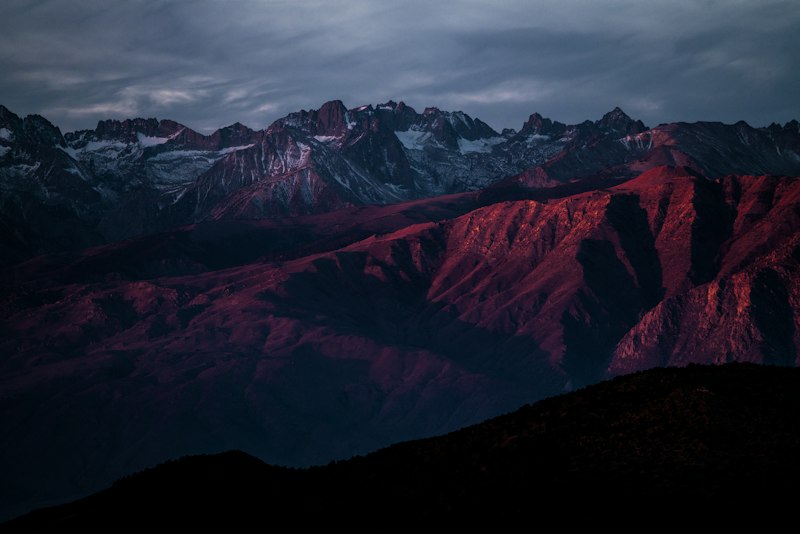
The tripod is the most underrated piece of night photography equipment. In长枪曝光中,即使是最轻微的振动也会导致图像模糊。A solid tripod that won't wobble in wind, combined with a head that can be locked down firmly without shifting, is more important than the most expensive lens. I use a carbon fiber tripod that weighs almost nothing and costs less than many lenses on the market.
Understanding the Exposure Triangle at Night
白天摄影中,光圈、快门速度和ISO的正常关系在夜间会被颠倒。你通常从你想要的光圈开始(对于星空摄影来说是f/2.8或更宽),然后设置你能承受的最长快门速度(受地球自转模糊和拍摄对象运动的限制),然后提高ISO直到获得正确的曝光。
星空摄影的500法则是一个快速参考:将500除以你的焦距,得到以秒为单位的最大曝光时间,而不会出现明显的星轨。例如,20mm镜头允许最多25秒的曝光(500÷20=25)。更长的曝光时间会开始记录地球自转产生的恒星光迹,这对于某些主题来说可能很有创意,但如果你想要点的星星则不是。
城市夜景:平衡人造光
拍摄城市夜景时,最大的挑战是平衡非常明亮的光源(如路灯和霓虹灯)与黑暗的阴影之间的极端动态范围。你需要足够长的曝光时间来捕捉阴影细节,同时避免高光区域过度曝光,这通常是城市摄影的主要限制因素。
我的方法是拍摄多次曝光——一次针对阴影区域,一次针对高光区域——然后在后期处理中将它们混合。或者,我接受场景的极端对比度,并通过后期处理来提亮阴影而不是尝试恢复它们。在某些情况下,剪影比试图捕捉所有内容效果更好。
后期处理夜间图像
夜间图像的后期处理有其自身的特殊性。噪点管理是首要任务——即使是最好的相机,在高ISO下也会产生显著噪点。降噪处理是必要的,但过度处理会抹去细节并产生塑料感。我通常在捕获锐化和降噪之间取得平衡,然后在处理的后期阶段进行轻微的锐化来恢复清晰度。
颜色处理为夜间图像增加了大量内容——城市灯光的钠蒸气橙色可以转换为冷蓝色调以获得夜间氛围,或者可以增强以获得温暖的夜间感觉。这完全取决于你想要讲述的故事。