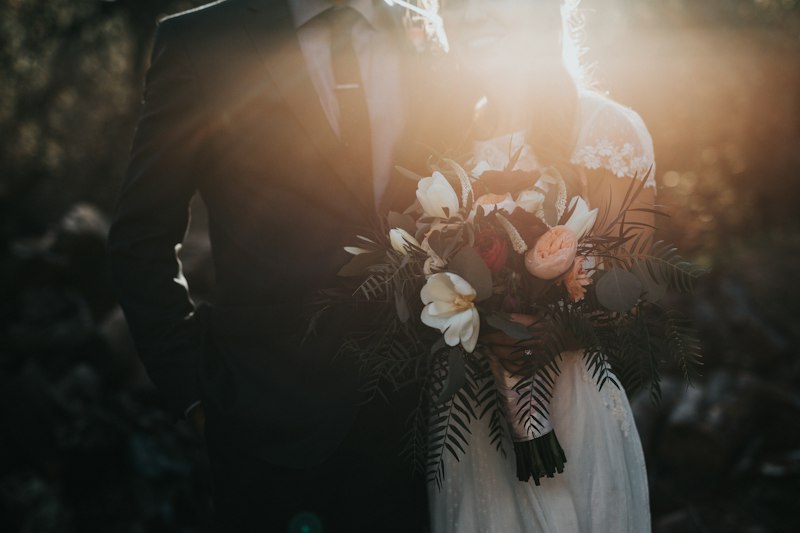
I've photographed over two hundred weddings, and I still get nervous before each one. Not because I'm unsure of my technical abilities—I know my equipment and I know my process—but because I understand that these images will outlast the flowers, the cake, the dress. In twenty years, when the couple looks back at these photographs, they should feel the texture of that day, not just see the shapes of it.
Wedding photography is documentary work disguised as portraiture, event photography disguised as art, and journalism with a deadline. The best wedding photographers I know aren't the ones with the most expensive equipment or the most elaborate post-processing style. They're the ones who understand that their job is to disappear into the background while remaining completely present, ready to capture the moments that can't be staged or repeated.
The Pre-Wedding Consultation
Before I ever photograph a wedding, I meet with the couple at least twice. The first meeting is about their story: how they met, what they value about each other, what moments they're most looking forward to on the day. This information isn't just conversation—it's my shot list. I know which details matter to them, which relationships are most important, which moments deserve extra attention.
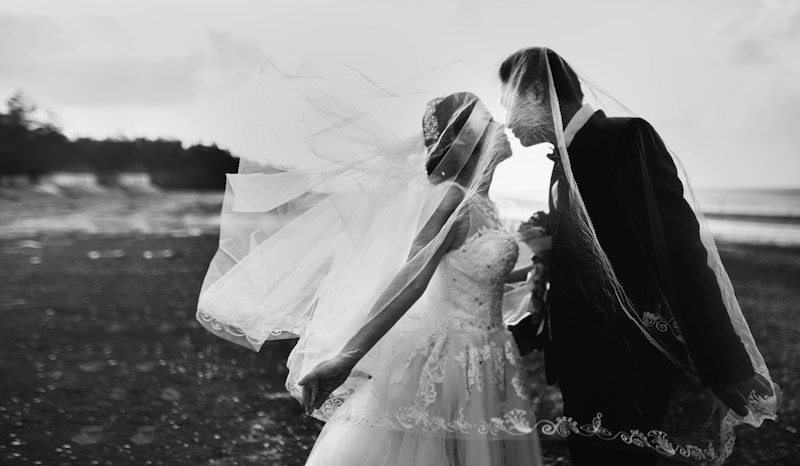
The second meeting is a location scout. I visit the ceremony and reception venues at the same time of day when the wedding will actually occur, and I test exposure, identify the best vantage points for the ceremony, and plan my approach for the specific lighting conditions I'll encounter. This investment of time before the wedding is what allows me to be in the right place without having to think about it during the event itself.
Equipment That Earns Its Place
My wedding kit has gotten progressively simpler over the years. I currently shoot with two camera bodies—a primary and a backup—and three lenses: a 35mm for environmental shots and getting close to the action, an 85mm for portraits and ceremony coverage, and a 70-200mm for candid moments when I need to be physically distant from the subject. That's it. No redundant bodies, no excessive primes, no gear that complicates the process without adding value.
The two-body setup is non-negotiable for wedding work. When the priest says "you may now kiss the bride," I don't have time to change lenses. I fire the first shot with the 85mm and immediately pivot to the second body with the 35mm for a wider frame that captures the crowd reaction. This happens in about four seconds, and the difference between having both frames and missing one of them can be the difference between a complete story and a partial one.
Working with Natural Light
The majority of weddings I've photographed have had some element of natural light that I needed to work around, work with, or work against. Indoor venues with mixed artificial light require careful white balance management. Outdoor ceremonies with harsh midday sun require reflector skills or fill flash. Golden hour ceremonies require speed and anticipation.
My approach is to observe the light for at least thirty minutes before the ceremony begins, testing exposures at different points in the space, and identifying how the light changes as the sun moves. By the time the ceremony starts, I know exactly what settings I'll need for every possible lighting scenario, which means I can focus entirely on capturing moments rather than making technical decisions in real time.
The Family Portrait Challenge
Every wedding photographer has a family portrait horror story: the uncle who refuses to remove his sunglasses, the grandmother who can't stand for more than two minutes, the cousin who disappears right when you need them. Managing family portraits requires a specific combination of authority, efficiency, and diplomacy that has almost nothing to do with photography skills.
I work from a prepared list that the couple has approved in advance, organized by complexity and importance. Immediate family first, then extended family, then friends. I know exactly which combinations are must-haves versus nice-to-haves. I position people quickly, call names loudly and clearly, and I don't wait for everyone to be smiling—I shoot continuously during the adjustment period and grab frames when the energy is right. The whole process takes fifteen to twenty minutes maximum, which is about all anyone can sustain fake smiling and standing in the sun.
Storytelling Over Perfection
The images couples treasure most from their wedding collections aren't the technically perfect ones—they're the ones that capture something true about who they are and how they love each other. The quiet moment when the bride's father sees her for the first time. The look between the couple during the vows when they realize this is actually happening. The uncontrolled laughter during the speeches when someone's joke went somewhere unexpected.
These moments can't be posed, can't be replicated, and can't be planned. They can only be anticipated by a photographer who is paying attention, who knows the shape of the day well enough to predict where authentic emotion is likely to emerge, and who has the technical fluency to capture it without thinking.