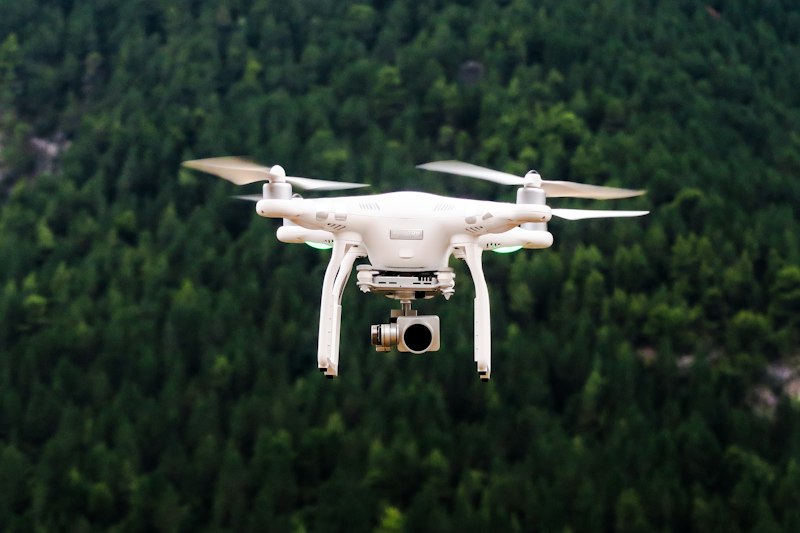
The first aerial photograph I ever made was from the window of a helicopter over the Grand Canyon, shot on medium format film with a camera I didn't own and probably shouldn't have been operating in that context. The image was technically mediocre—too much vibration, wrong exposure, poor timing—but the experience of seeing the landscape from above changed how I understood photography as a medium. When drone technology became accessible to working photographers, I recognized immediately that this was that same experience, democratized.
But aerial photography from drones comes with a specific set of challenges that ground-based photography doesn't: legal restrictions, safety imperatives, technical limitations of flight platforms, and the fundamental question of what makes an aerial image interesting versus just high up. Understanding these constraints is what separates responsible drone photographers from the ones who give the industry a bad reputation.
The Regulatory Reality
In the United States, the FAA's Part 107 governs commercial drone operations. If you're flying for any purpose that could be considered commercial—including shooting images that will be used in advertising, sold as prints, or included in any material that generates revenue—you need a Part 107 Remote Pilot Certificate. This requires passing an aeronautical knowledge test at an FAA-approved testing center.
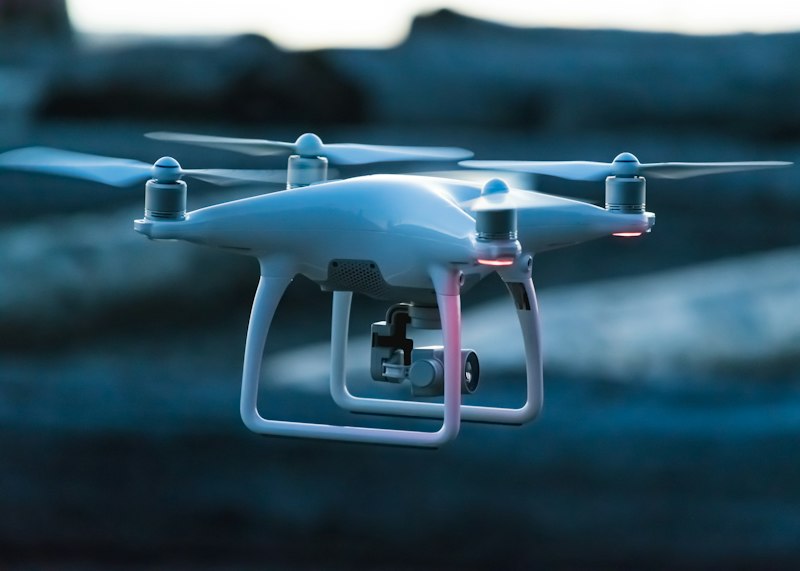
The rules aren't arbitrary—they exist because drones pose real risks to manned aircraft and to people on the ground. Understanding why the rules exist helps you understand how to fly safely within them. You need to maintain visual line of sight with your drone at all times, which means no flying behind obstacles that block your view. You need to yield right of way to all manned aircraft. You can't fly over people who aren't part of your flight crew. Maximum altitude is 400 feet above ground level. These aren't suggestions—they're law, and violating them can result in significant fines.
What Makes Aerial Images Interesting
The most common mistake I see in drone photography is using the aerial perspective without understanding why aerial perspectives are interesting. Simply putting a camera in the air doesn't make the resulting image compelling. What makes aerial images compelling is the pattern recognition that happens when familiar landscapes are seen from unfamiliar angles—agricultural fields that reveal geometric arrangements invisible from ground level, rivers that carve paths you can only appreciate from above, urban environments that show the logic of their layout from directly overhead.
The compositions that work best from drones are usually the ones that wouldn't work from the ground: strong geometric patterns, leading lines that disappear into the distance, color contrasts between agricultural plots, the abstract quality that emerges when scale becomes ambiguous. These are not things you discover by pointing the drone straight down—they require the same compositional eye you develop for ground photography, applied to a different perspective.
Flight Planning and Safety
Before any flight, I check weather conditions carefully: wind speed, visibility, precipitation, and cloud ceiling. Most consumer drones can handle winds up to about 25mph, but flying near that limit leaves no safety margin. I prefer to fly in conditions with wind speeds under 15mph, which gives me control authority for maneuvering and battery life that matches the manufacturer's estimates. Visibility matters because you need to see your drone to maintain line of sight, and because many restricted airspace authorizations require specific visibility minimums.
I also check airspace restrictions thoroughly using the FAA's B4UFLY app or AirMap before every flight. Many areas near airports, prisons, stadiums, and other sensitive locations are permanently or temporarily restricted. TFRs—Temporary Flight Restrictions—can appear with little notice for events, emergencies, or national security purposes. Flying in restricted airspace isn't just illegal in many cases—it's dangerous, and it's the behavior that gives drone pilots a bad reputation.
Technical Considerations
Consumer drone cameras have improved dramatically, but they still have limitations compared to traditional cameras. The sensors are small—typically 1-inch or smaller—which means noise performance at higher ISOs is significantly worse than even consumer mirrorless cameras. The lenses are fixed wide-angle, which limits your compositional options and makes portraits from drones awkward due to the distortion that comes with very wide lenses at close range.
For still photography, I shoot in RAW whenever possible and expose slightly underexposed to protect highlights, which I then lift in post. Drone cameras have limited dynamic range compared to larger sensors, so protecting highlights is more critical than trying to recover shadows. The best drone images are usually shot during the golden hour, when the light is beautiful and the shadows provide the geometric contrast that aerial photography emphasizes.